
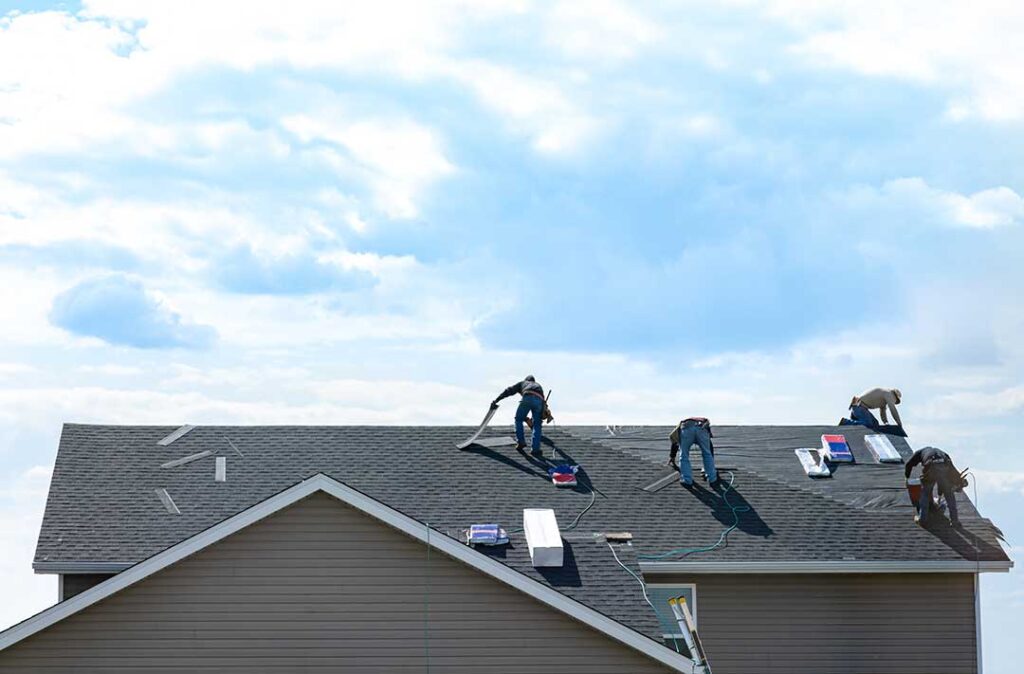
Why Does Spotting Roof Damage Early Matter for Clayton, NY Residents?
Early detection of roof issues helps homeowners in Clayton, NY prevent more extensive, costly problems down the road. The area’s climate—characterized by snowy winters, icy build-up, and wind-driven rain—places unique stress on both older homes and newer construction. Recognizing subtle signs before leaks or structural issues develop allows area households to protect their property and avoid major repairs.
What Are Common Visible Signs of Roof Damage Locally?
Several visual cues can be spotted from the ground or with a basic exterior walk-around.
- Curling, cracked, or missing shingles: Shingles should lie flat against the roof. If they’re curling, splitting, or absent in certain areas—often a result of freeze-thaw cycles or wind lift—water may more easily penetrate underneath.
- Granule loss: Dark, gritty material resembling coarse sand in your gutters or at downspout exits may mean asphalt shingles are wearing out.
- Dark patches or inconsistent coloring: These could signal areas where protective granules are missing, hinting at deterioration from sun exposure or moisture retention.
- Damaged or rusted flashing: Flashing (the metal strips around chimneys, vents, and roof valleys) protects joints and seams. Bent, corroded, or missing flashing leaves vulnerable entry points for water.
Local residents often mistake normal weathering for warning signs, but patterns like concentrated granule accumulation or clusters of raised shingles are typically early indicators of more significant damage.
Are There Subtle Interior Signs Even Without Obvious Leaks?
Not all roof problems start with a visible leak. Inside the home, pay attention to:
- Discolored spots or streaks on ceilings and walls: Yellowed, brown, or damp-looking patches—especially after storms or thaw cycles—can be a first indicator that moisture has made its way through the roofing.
- Peeling paint or bubbling plaster: Moisture from minor leaks can cause interior finishes to react this way even without standing water.
- Musty odors in attics or rooms beneath the roof: Persistent dampness may foster mold or mildew, which can signal long-term, low-level water intrusion.
Seasonal shifts in the region, such as heavy spring rains or rapid winter melting, can make these indoor warnings more pronounced. Residents who only check their roofs after heavy storms sometimes miss early-stage indicators that are easier to catch during quieter weather.
How Does the Local Climate Increase Certain Risks?
Clayton experiences strong winds, lake-effect snow, ice accumulation, and wide temperature swings, all of which impact roofing longevity.
Ice dams—ridges of ice along the eaves—are a local concern. They occur when snow on a warm roof melts, runs down, and refreezes at the edge, trapping water behind and forcing it under shingles. Look for:
- Icicles forming along the edges and gutters
- Water stains on walls below the eaves
- Sections of gutters that sag or pull away from the roofline
Prolonged snow coverage can also compress older shingles, and spring windstorms may dislodge flashing or tiles in isolated areas of the roof that receive the brunt of northwesterly gusts.
Can Small Exterior Features Point to Larger Problems?
Secondary signs should not be overlooked during routine checks:
- Sagging gutters or water pooling near the foundation might reveal that runoff isn’t being properly channeled, possibly due to unseen roof or gutter damage.
- Moss or algae growth suggests excess moisture retention, which can impede drainage and speed up roofing material wear.
Satellite dishes, solar panels, and rooftop ventilation units—sometimes more common in certain sections of the community—can also create points of vulnerability around their mounting locations. Inspect the sealant and flashing around such installations.
What Misconceptions Lead Homeowners to Miss Early Damage?
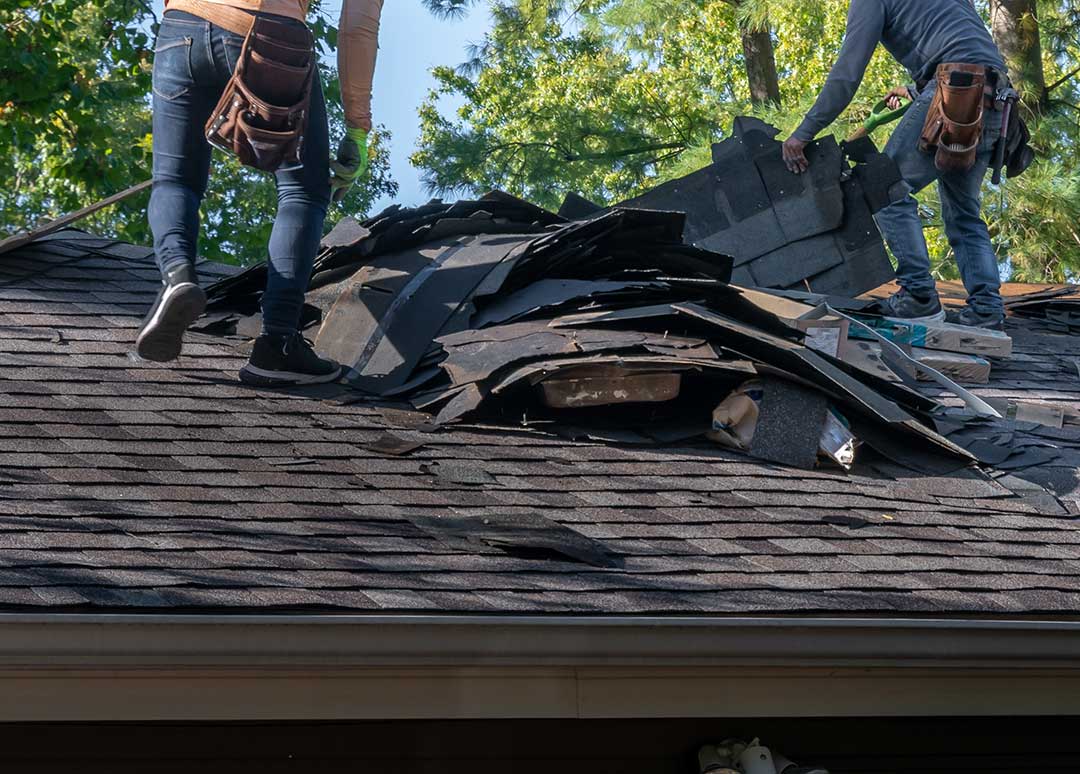
A few frequent misunderstandings can cause small problems to go unnoticed until they worsen:
- “My roof isn’t leaking, so it’s fine.” Early roof damage rarely starts as an obvious leak. Moisture intrusion is usually slow and shows up as subtle signs.
- “Shingle edges lifting is normal.” In the local climate, edges that curl up or “fishmouth” often predict future leaks or wind loss.
- “Gutters just overflow after heavy rain.” Overflow may indicate clogged downspouts from shingle debris or granule loss—both early indicators of roof aging.
Neighborhood traditions of seasonal roof and gutter cleaning do help, but routine visual inspections in between can catch issues that typical autumn leaf removal might miss.
What Safety Steps Should Clayton Residents Take When Checking for Damage?
While it’s beneficial to inspect the roof regularly—especially after storms or freeze-thaw cycles—safety should always be the first priority:
- Walk around the property and use binoculars for elevated views instead of climbing a ladder, especially in icy or wet conditions.
- If using a ladder, ensure it’s stable and never attempt to walk on a roof with significant pitch, moss, or visible damage.
- Keep an eye out for overhead power lines when observing the roofline from outside.
A cautious, observant approach ensures early-warning signs are noticed without risking injury.
When Is Immediate Attention Needed?
Certain observations require prompt action to avoid rapid worsening:
- Water actively dripping during rain or melting
- Large sections of missing shingles post-storm
- Visible daylight shining through attic boards or ceiling cracks
These urgent signs mean moisture is likely breaching the protective envelope of the home. In these cases, local building code or safety concerns (like electrical hazards from water intrusion) may necessitate reporting or remediation.
